Wall Labels Are Not Warrants: Rethinking Exhibition History in the Provenance File
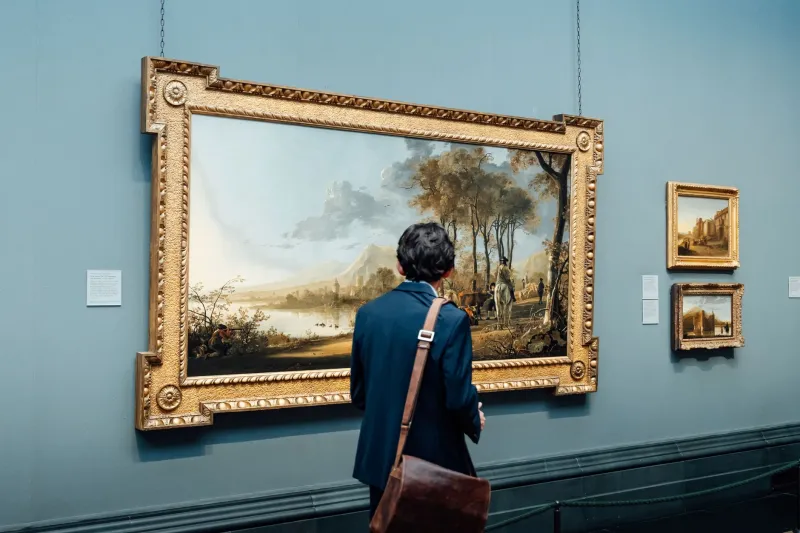
A museum wall label carries a quiet authority. It places the work in a public context, attaches a date and a curator’s name, and implies that an institution found the object worthy of display. Collectors naturally treat that label as confirmation. The instinct is understandable, but it mistakes exhibition history for authentication. A loan-out letter proves a loan. A catalog proves publication. Neither is a warranty of authorship, title, or value.
What a Loan Agreement Actually Establishes
A museum loan agreement is a contract about custody and risk. It identifies the lender, the borrower, the object, the loan period, insurance requirements, condition-report obligations, credit lines, and shipping responsibilities. It may require the lender to represent ownership and authority to lend. It does not ordinarily require the museum to independently authenticate the work. Museums accept loans on the basis of lender representations, internal curatorial judgment, and institutional policy. The agreement is valuable evidence of possession and display. It is not a certificate of authenticity.
The Catalog Is a Scholarly Record, Not a Warranty
Exhibition catalogs vary enormously. A scholarly catalogue raisonné entry may reflect years of research. A group-show checklist may reflect a curatorial decision made months before opening. An entry may describe a work as attributed to, circle of, school of, or simply by an artist whose name appears on the lender’s invoice. The catalog’s authority depends on who wrote it, what they examined, and what they were willing to assert. Collectors should read the checklist, the footnotes, and the essay separately. A catalog can be excellent provenance evidence and still be wrong about authorship.
Borrower Correspondence and the Useful Details
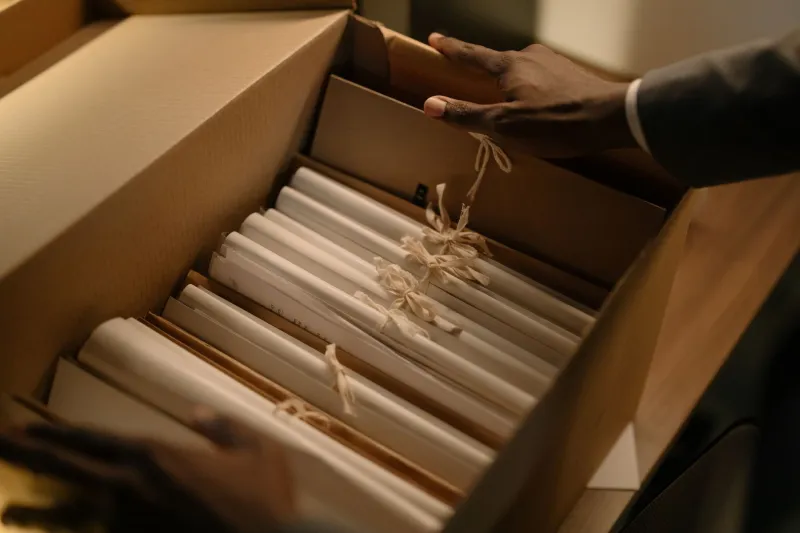
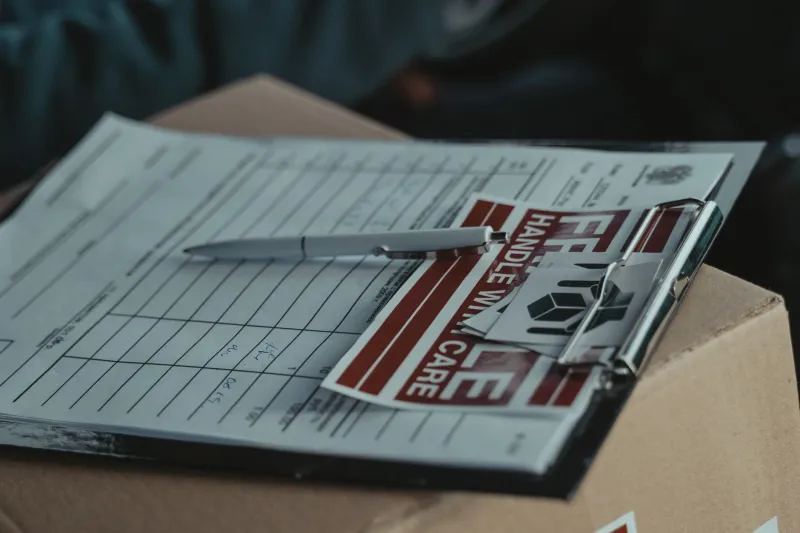
The most underused part of an exhibition file is the correspondence surrounding the loan. Condition reports, facility reports, shipping receipts, installation photographs, insurance certificates, and emails about crating and gallery climate can establish a chain of custody with unusual precision. They show when the work arrived, who handled it, what condition it was in, and when it returned. That is provenance in the custodial sense. It is often more reliable than a catalog entry because it was generated in the ordinary course of business by parties with no incentive to embellish the artist’s oeuvre.
The Overread: When Exhibited Becomes Authenticated
The overread usually happens in stages. A work is lent to a museum. The catalog lists it. A press release mentions it. A later seller describes it as exhibited at the museum. A buyer hears museum and assumes authentication. None of those steps necessarily involved a fresh attribution. The museum may have relied on the lender. The curator may have had reservations. The catalog may have used cautious language. The label may have been written by an editor working from a checklist. Exhibition history is context, not conclusion.
A Framework for Future Loans
Collectors can make future exhibition history more useful by documenting the loan as a file rather than a memory. Before the loan, execute a written agreement that identifies the lender of record and the work’s legal owner. Obtain a facility report and a condition report signed by both parties. Confirm insurance limits and transit arrangements. During the loan, retain shipping documents, installation photographs, correspondence about catalog copy, and any conservation notes. After the loan, obtain a return receipt and a closing condition report. File all of it with the object record, not in a separate exhibition folder that will be forgotten.
Reading Existing Exhibition History
When reviewing an existing exhibition history, ask what the document actually says. Is the work listed in the checklist or only mentioned in an essay? Is the attribution qualified? Who was the lender, and does that lender appear in the ownership chain? Did the museum examine the work or accept a photograph? Is there correspondence that confirms the loan dates and condition? A single catalog reference is a starting point. A complete loan file is evidence.
The Collector’s Conclusion
Exhibition history deserves a place in the provenance file, but it should not sit at the top of the hierarchy. It is a record of public presentation, institutional custody, and scholarly attention. It is not a substitute for an ownership chain, a technical examination, or a considered attribution. The wisest collectors treat a museum label as an invitation to read further, not as the final word. At Provenance Art Gallery, that distinction is central: authenticated art requires documented legacy, and documented legacy requires knowing what each document can and cannot prove.