Arrival Records: How U.S. Customs Paperwork Can Confirm—or Complicate—an Artwork’s Provenance
Provenance narratives tend to begin in a gallery, an auction house, or a family collection. For works that crossed into the United States, however, the first American chapter may be a customs entry. The border file is unglamorous, but it is often the most date-stamped, third-party-generated evidence in the entire record. It can confirm an arrival, identify an importer, and connect a work to a shipping chain. It can also reveal inconsistencies that no certificate of authenticity will cure.
What the Border File Contains
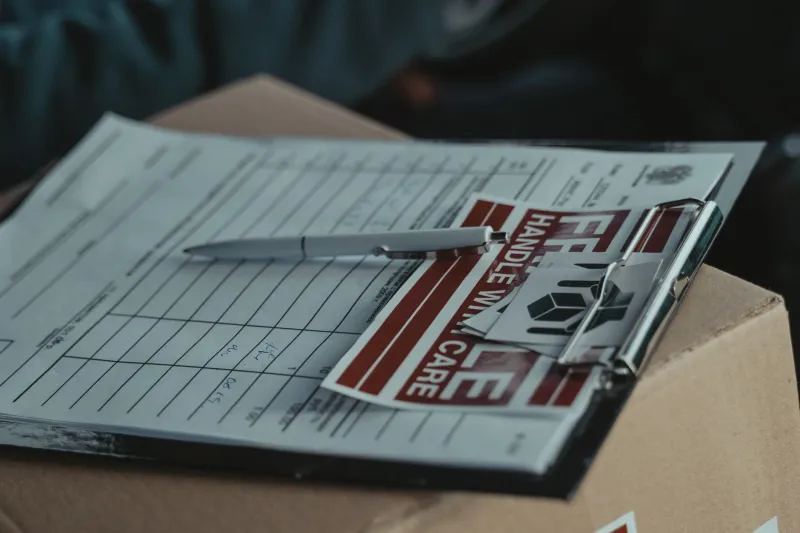
Depending on value, mode of transport, and classification, an imported artwork may generate an Entry Summary, commonly CBP Form 7501, along with a commercial invoice, packing list, air waybill or bill of lading, certificate of origin, and correspondence with a licensed customs broker. The file may also include a power of attorney, surety bond, warehouse entry, and evidence of payment of duties or fees. For high-value or culturally sensitive works, additional documentation related to cultural property or sanctions screening may appear.
These records are not provenance in the traditional art-historical sense. They are commercial and regulatory records. Their value lies in what they independently establish: a date, a port, an importer of record, a seller or exporter, a declared value, and a description of the goods.
Reading the Entry Summary
The importer of record is the central figure. Is it the collector, an entity, a dealer, or a museum? Does that name match the invoice and the bill of sale? The seller or exporter named on the commercial invoice should align with the ownership narrative. The country of origin and the port of entry should make sense given the work’s history. The declared value should be consistent with the transaction, insurance, and later appraisal—not necessarily identical, but explicable.
Classification matters as well. Original works of art are generally entered under headings in Chapter 97 of the Harmonized Tariff Schedule, but the specific treatment can depend on the work’s nature and condition. Collectors should not rely on a classification code as proof of authenticity. A customs description such as decorative painting or framed artwork is not an attribution. It is a cargo description.
Cultural Property and Sanctions
U.S. import rules for cultural property are not uniform. The Convention on Cultural Property Implementation Act provides a framework for certain import restrictions, and emergency protections may apply to specific categories of material. Sanctions programs administered by the Office of Foreign Assets Control can also affect whether a transaction is permissible. These are legal questions, not collector intuition. When a work originates from a jurisdiction with restrictions or a counterparty appears on a screening list, counsel should review the file before acquisition or sale.
When Border Records Strengthen Provenance
A clean border file can do real work. It can place a work in the United States on a specific date, identify the importer, and connect the object to an invoice, a lender, or an exhibition. It can corroborate a dealer’s account of shipment and storage. It can also supply the names of intermediaries that the collector would otherwise never know. In a thin provenance narrative, a customs entry is not a substitute for an ownership chain, but it is a useful anchor.
When They Complicate It
Border records can also complicate a narrative. A declared value far below the transaction price may have a legitimate explanation, but it requires documentation. A vague cargo description may obscure the work’s identity. An importer who is not the owner may be a shipping agent, a family entity, or an unexplained intermediary. A missing entry may mean the work entered before digital records, through a different port, or under another owner’s name. None of these facts is automatically disqualifying; each is a question that should be answered before a collector relies on the file.
Questions for a Thin Arrival History
When the arrival history is sparse, ask who served as importer of record, which broker handled the entry, and whether an entry number or port code can be produced. Request the commercial invoice, packing list, and transport document. Ask whether the work was ever in the United States before the current ownership period, and if so, under what name. Ask whether the work was imported for sale, exhibition, or storage. If records are genuinely unavailable, a Freedom of Information Act request to U.S. Customs and Border Protection may be possible with counsel’s guidance, but it is not a substitute for the seller’s own documentation.
A Practical Protocol
Collectors should request border records at the same time they request invoices and condition reports. Reconcile names, dates, values, and descriptions. Preserve the broker’s file in the object record. Do not recreate missing entries from memory. Where gaps remain, document the gap and the inquiries made. The border file is not the whole provenance story, but it is often the part that was created closest to the event. Read it carefully, and it will tell you which questions to ask next.