Bidding From the Living Room: What First-Time Buyers Really Get When the Auction Goes Online
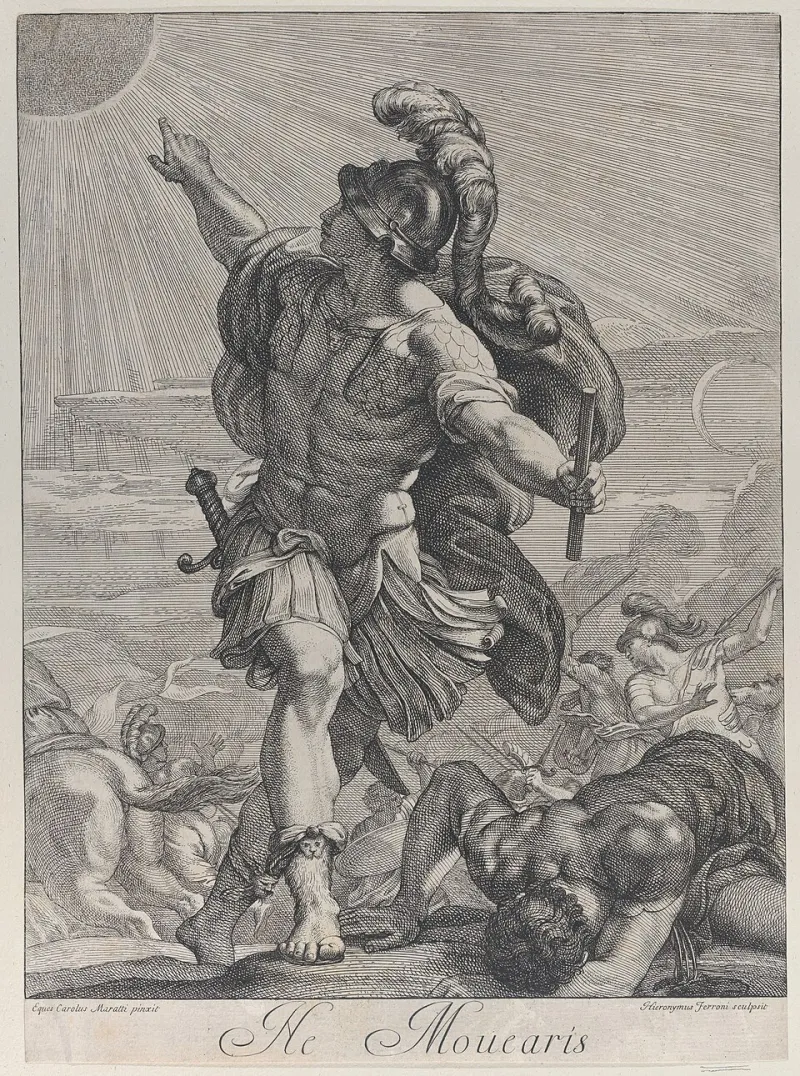
Photo: Girolamo Ferroni, CC0, via Wikimedia Commons
The gavel still falls, but nobody hears it. Across the American art market, the rituals of the auction house — the whispered phone bids, the paddle raised in a crowded saleroom — are giving way to something quieter: a collector in Denver, laptop open, placing the winning bid on a work she has never seen in person.
This shift accelerated dramatically over the past several years, and it has opened the door to a wave of first-time buyers. But it has also changed what 'verified' means. For newcomers, understanding that distinction is now the single most important skill they can develop.
The New Buyer's Paradox
Online platforms have democratized access in a way the traditional market never quite managed. A first-time collector in Ohio can now bid on the same authenticated lot as an established dealer in Manhattan, often with lower buyer's premiums and no travel costs. The barrier to entry has never been lower.
Yet the paradox is unavoidable: the less experience a buyer has, the more they benefit from seeing a work in the flesh — the condition issues that photographs flatten, the scale that a screen distorts, the color that shifts under different lighting. Digital tools narrow that gap considerably, but they do not close it.
What Condition Reports Actually Promise
The condition report is the online buyer's primary window into a work's physical state, and it is worth understanding precisely what it is — and what it is not.
Auction houses disclaim these reports aggressively. Standard language in nearly every American sale specifies that condition reports are offered 'as a courtesy,' are not professional assessments, and do not create any warranty. A report noting 'minor craquelure consistent with age' is a description, not a guarantee that no other issues exist.
Serious buyers should treat the condition report as the beginning of due diligence, not the end. Requesting additional high-resolution images, asking specific questions in writing, and — where possible — commissioning an independent conservator to review the work on-site are all reasonable steps that many newcomers skip.
Virtual Previews and the Limits of the Screen
High-resolution photography, zoom functionality, and increasingly, video walkthroughs have made remote previews genuinely useful. Some houses now offer live virtual viewing appointments, where a specialist walks a remote buyer through the lot in real time, holding the work under different light and answering questions on camera.
These tools are valuable, but they mediate every observation through the seller's camera and the seller's choices. What is not shown can matter as much as what is. Edges, versos, and frames frequently receive less attention in digital presentations than they would in a gallery preview, and a buyer relying solely on curated imagery is relying on someone else's editorial judgment.
Authentication Guarantees: Read the Fine Print
Most major American auction houses stand behind authenticity with a five-year guarantee — if a sold work is proven to be a counterfeit, the buyer may return it for a full refund. For first-time collectors, this is genuinely meaningful protection, and it is one of the strongest arguments for buying through established houses rather than unvetted online marketplaces.
But the guarantees carry exclusions that surprise many buyers. Works attributed to an artist rather than firmly attributed may be excluded. Guarantees typically do not cover authorship disputes that arise from later scholarship, and they rarely extend to issues of provenance gaps or title. A guarantee against forgery is not a warranty of a clean history.
A Practical Checklist for the Remote Bidder
Before bidding online, new collectors would do well to adopt a disciplined routine:
- Read the full catalogue entry, including every footnote. Provenance and literature citations are where problems — and strengths — reveal themselves.
- Request the condition report in writing and ask follow-up questions. Vague answers are themselves informative.
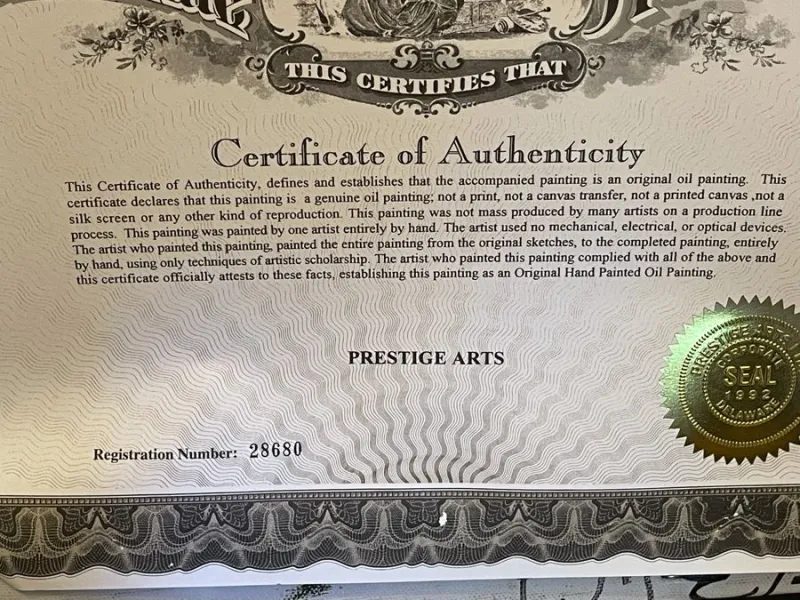
- Verify the authentication basis. Who pronounced the work authentic — the estate, a committee, a scholar? Not all attributions carry equal weight.
- Understand the guarantee's scope and exclusions before, not after, the invoice arrives.
- Budget for independent review. A few hundred dollars for a third-party opinion is cheap insurance on a five-figure purchase.
A Lower Barrier, Not a Lower Standard
Online bidding has made the art market more accessible, and that is largely a good thing. The collectors who thrive in this environment will be those who recognize that the screen changes the format of due diligence, not its necessity. Verified legacy has never been a matter of convenience — it is a matter of discipline, and discipline travels well from the saleroom to the living room.